ORIGINS OF RICHMOND SQUARE
Central to Richmond Square is the Grade II Listed Georgian house, four storeys high and five bays wide. Very originally, it was a simple cottage with fine views looking down to the River Thames and the arcadian landscape beyond and home from 1739 until 1748 to James Thomson, the Scottish born poet and playwright. Well positioned on West Sheen Lane, the main way to the horse ferry at Kew, the original house sat adjacent to the medieval Old Deer Park of Shene Palace. With the building of the first bridge over the River Thames at Kew in 1759, George III ordered the construction of a new Kew Road and the Lane changed name to Kew Foot Road. Today both Kew Foot Road and the Old Deer Park are Conservation Areas.
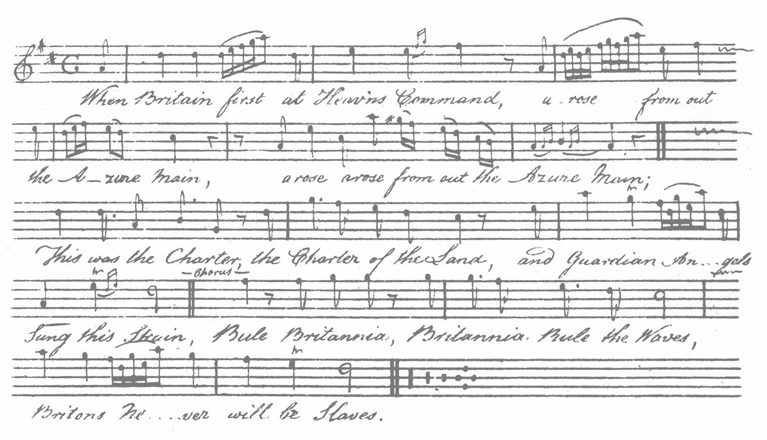
James Thompson wrote his most famous works here, amongst them, the masque Alfred, which includes the anthem Rile Britannia.
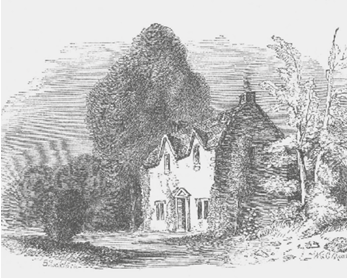
1748
Upon Thomson’s death, George Ross Esquire, at the expense of £9,000, was responsible for transforming the cottage into Rossdale, later Rosedale, House and employing the renowned landscape designer Lancelot ‘Capability’ Brown to refashion the gardens. Two wings, slightly set back from the central block, and an additional storey were added and the cottage enclosed in a Georgian brick shell of simple classical proportions.
Rosedale House became the property of the Honorable Mrs Frances Boscawen, widow of the famous Admiral. Her summer retreat, the literary hostess celebrated the former home of the famous poet and playwright.
Rossdale House
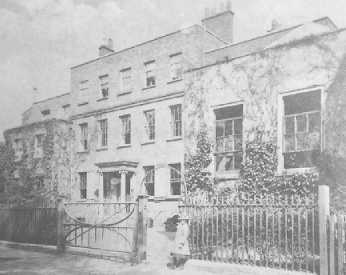
1868
With the purchase by the Honorable Cropley Ashley-Cooper, a politician who became the Sixth Earl of Shaftesbury in 1805, the great era of the Shaftesbury House began with many renovations and improvements made.
The Countess of Shaftesbury lived here until 1865 after which there were several enhancements and additions during the Victorian and Edwardian periods and into the 20th Century.
Shaftesbury House
A ROYAL RETREAT
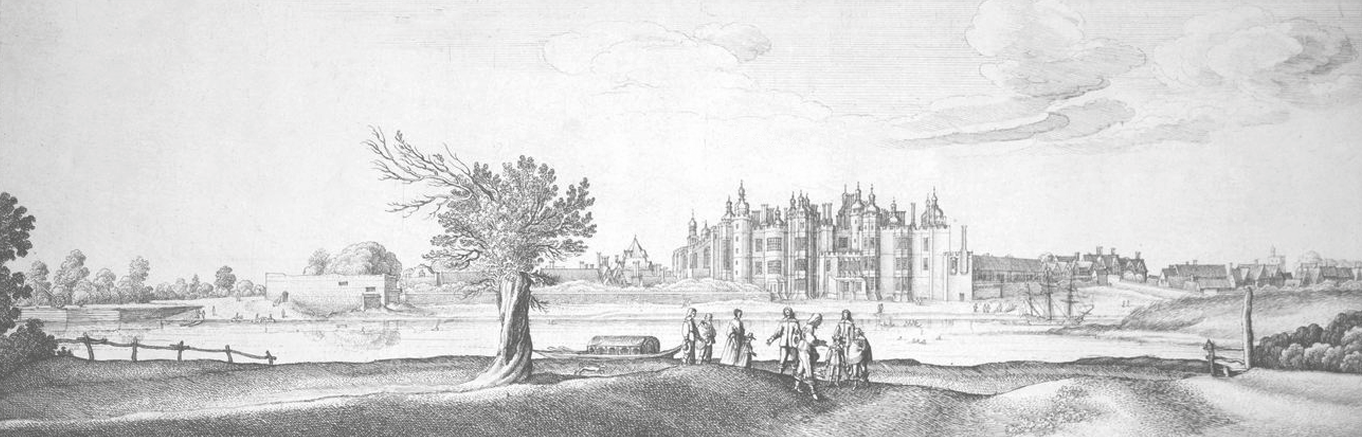
The town and borough of Richmond derive their name from Richmond Palace. Built by Henry VII in the 16TH Century in what was then rural Surrey, upstream and on the opposite bank from the Palace of Westminster, the Palace itself was named after Henry’s Earldom and his ancestral home, Richmond Castle in Yorkshire.
When Elizabeth I became Queen she spent much of her time at Richmond. She enjoyed hunting stags in the Newe Parke of Richmonde, now the Old Deer Park.